Qilai Mountain, straddling Nantou and Hualien in Taiwan, is infamous for its treacherous terrain and unpredictable weather—shifting clouds and fog make it a hotspot for mountaineering disasters. Dubbed “Black Qilai,” it’s one of Taiwan’s most accident-prone ranges. The most notorious incident? The “Qiu Gao Incident” of August 1972, a chilling mystery that still lingers unsolved.
On August 24, 1972, Qiu Gao, a recent Tunghai University grad, set out to climb Qilai with two high school friends, Li Fuming and Hu Dening, both from Fu Jen University. Four days later, on August 28, another climbing team stumbled across a flashlight, candles, a tarp, and a walking stick between Kaluo Tower and Qilai’s main peak—odd, since these are vital tools no climber would ditch lightly. By September 10, with no sign of the trio, Qiu’s father reported them missing. Checkpoints at the mountain’s entry and exit had no record of them leaving.
Li’s father confirmed the walking stick belonged to his son, sparking a massive search. Taiwan’s air force, army, mountaineering groups, expert climbers, and Indigenous guides scoured the area. They found scattered items—toast, throat lozenges, a climbing permit—but no people. Stranger still, three pairs of chopsticks were found stabbed into the ground, pointing skyward. Indigenous guides interpreted this as a distress signal. The items were spread far apart, unusual for a group that should’ve stuck together in a crisis. No backpacks—key survival gear—ever turned up.
Footprints were spotted too, likely from hiking boots, with long strides suggesting someone running, possibly fleeing. But only one set appeared, with no animal tracks in pursuit. Fleeing what? No one knows. The search stretched over two months, from autumn into winter, as temperatures plummeted. After 46 years (as of 2018), the fate of that day atop Qilai remains a blank.
The mountain’s deadly reputation and eerie aura fueled wild theories: lost in fog, eaten by beasts, murdered, or even a secret emigration plot. Spiritual tales took root too, amplified by TV shows. In the 1980s, a lone climber snapped a photo at Nanhua Mountain’s grassy slope near Qilai’s range. When developed, it revealed a mysterious dwarf-like figure at the peak’s base point. Taiwan’s pioneering paranormal show, Rose Night, dissected this image, cementing Qilai’s haunted legend.
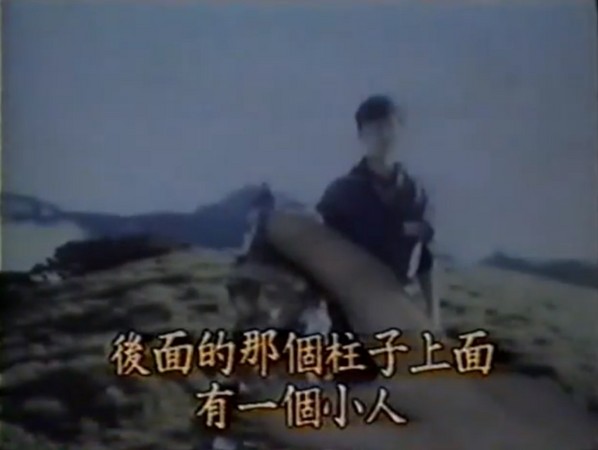
On Taiwan’s iconic paranormal show Rose Night, a photo from the 1980s stirred the pot: a lone climber’s snapshot at Nanhua Mountain’s grassy slope revealed a mysterious “dwarf” near the peak’s base point. Photography experts weighed in: the figure stood at the summit’s edge, impossibly tall unless floating off the cliff, and faking it with the era’s tech was unlikely. A folk expert chimed in, calling it “a soul long departed.” When the image aired, families of missing climbers, including Hu Dening’s mother, claimed the dwarf wore her son’s red jacket. This triggered a second search for Qiu, Li, and Hu—but no bodies or bones turned up, deepening the mystery.
This 1972 disappearance of Qiu Gao and his friends didn’t just leave a mystery—it sparked change. Back then, the mountaineering community pushed for faster communication, permanent rescue organizations, and specialized training for mountain emergencies. By 1995, Ren Tiegang, then head of the Northern Search and Rescue Committee of the Taiwan Mountain Rescue Association, noted that the trio’s vanishing woke Taiwan up to the challenges and critical need for search-and-rescue operations. The Qiu Gao Incident planted the seeds for modern mountain rescue concepts. From there, lasting civilian rescue groups sprang up, refining techniques and strategies over time—all tracing back to that fateful climb.
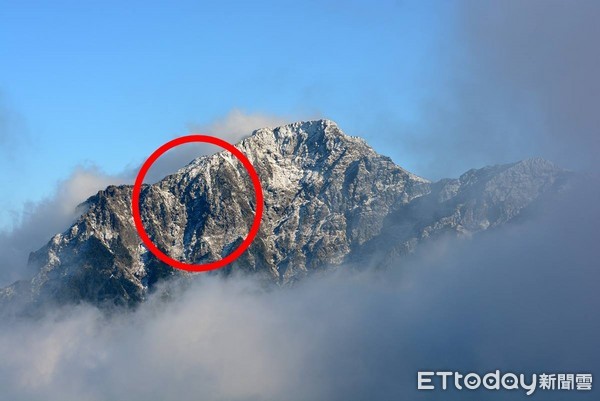
The incident kickstarted Taiwan’s formal mountain rescue system, yet Qilai’s mystique only grew with more accidents. Decades later, photographer Zhang Junhong captured another eerie sight: from Hehuan Mountain’s Songxue Lodge, he spotted a “warrior” on Qilai’s main peak, wielding a raised saber. Experts chalked it up to terrain and seasonal light play, but the mountain’s spooky reputation held firm.

 True TAIWAN Horror story
Leave a comment